

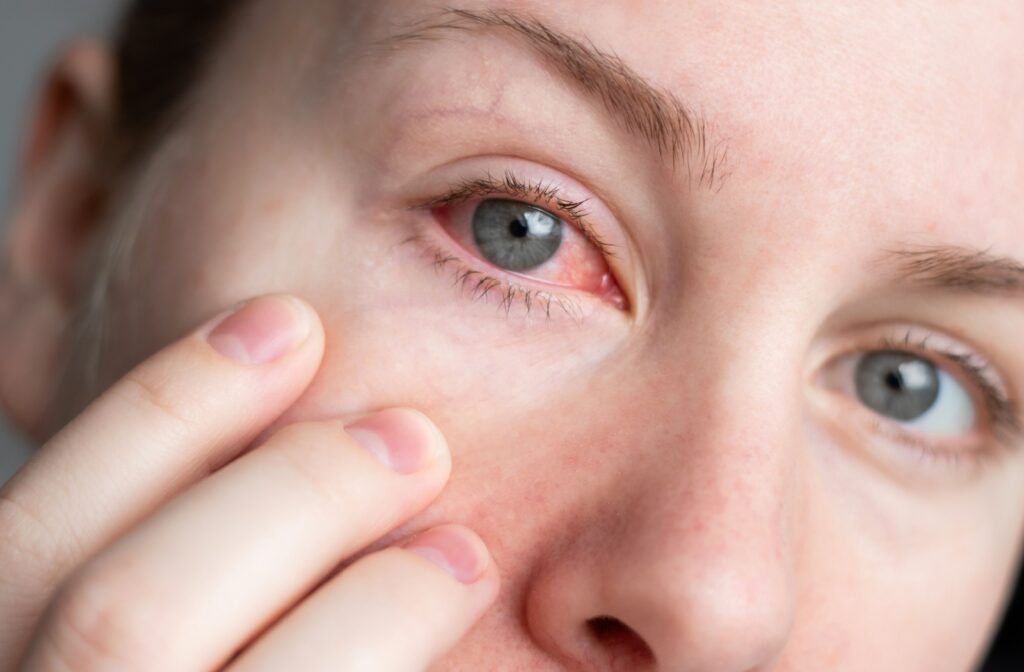
A gritty, burning, and irritating feeling in your eyes can disrupt your entire day. You might find yourself constantly blinking, rubbing your eyes, or reaching for eye drops, only for the discomfort to return. If this sounds familiar, you could be dealing with meibomian gland dysfunction (MGD), a primary contributor to dry eye disease.
Your eyelids contain tiny glands called the meibomian glands that are essential for healthy, comfortable vision. You may be able to unclog your meibomian glands with a consistent routine of at-home care, lifestyle adjustments, and professional treatments when needed. Understanding how these glands work is the first step toward finding lasting relief from your symptoms.
What Are Meibomian Glands & Why Do They Get Blocked?
The meibomian glands are located along the edge of your eyelids. They produce an important oil that coats your eye’s surface and stops your tears from drying out too quickly. When these glands get blocked, the oil they produce can’t get out, and the resulting imbalance in the consistency of your tears may cause dry eye disease.
Common Reasons Meibomian Glands Get Blocked
Factors that increase the risk of blockage include age, certain skin conditions, hormonal changes, and even some medications. Over time, if the meibomian glands stay blocked, they can become damaged and stop working as they should.
Signs of a Clogged Meibomian Gland
When your glands are clogged, your eyes will let you know that something is wrong. For instance, you might notice your eyes look red or feel irritated throughout the day.
Dry eye caused by meibomian gland blockage has a number of symptoms, including:
- A stinging, burning, or scratchy feeling
- The sensation that something is in your eye
- Blurry vision or eye fatigue
- Watery eyes—your body’s response to the irritation
- Stringy mucus in or around your eyes
- Difficulty wearing contact lenses
How to Unclog Glands at Home
A few, consistent changes to your routine can often help improve oil flow and relieve discomfort in your meibomian glands.
Step 1: Apply a Warm Compress
Place a warm, damp washcloth over your closed eyelids for at least 4 to 5 minutes. The warmth helps soften the hardened oil inside the glands. You can do this one or two times a day for gentle relief.
Step 2: Gently Massage Your Eyelids
Right after the warm compress, use your fingertip to gently massage along your eyelids toward the lash line. This can help push the melted oil out of the glands. Be gentle—you don’t need much pressure to be effective.
Step 3: Keep Your Eyelids Clean
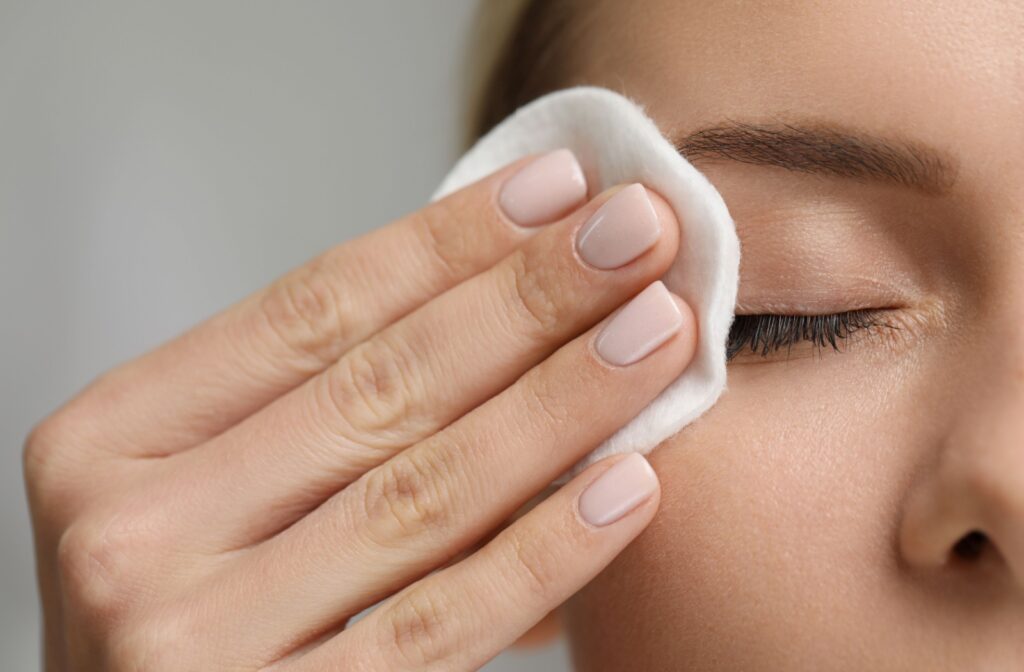
Use a gentle cleanser or a special eyelid wipe to clean away any crust or debris from your lash line. A clean eyelid reduces your risk of related conditions like blepharitis and helps keep your glands unblocked.
A Quick Note: Should You Squeeze Your Glands?
It’s not a good idea to try to squeeze or pop a blocked gland yourself. If done wrong, doing so can actually cause more irritation or lead to an infection. Stick to warm compresses and gentle massage for safe, at-home care.
Lifestyle Changes for Healthier Eyes
Some small changes in your daily habits can make a big difference for your eyes.
Take Regular Screen Breaks
When you’re at a computer, you blink less often, which can dry out your eyes. Try to follow the 20-20-20 rule—every 20 minutes, look at something 20 feet away for 20 seconds. This simple habit helps spread your tears over your eyes.
Adjust Your Environment
Dry air can make dry eye disease feel worse. Use a humidifier to add moisture to the air in your home or office. Also, try to avoid having fans or vents blow directly into your eyes.
Protect Your Eyes Outdoors
Wind and sun can increase tear evaporation. Wear wraparound sunglasses when you’re outside to protect your eyes from the elements. This can help keep your eyes from feeling dry and irritated.
When At-Home Care Is Not Enough
At-home treatments can often offer relief. However, if your symptoms don’t improve or if they get worse with time, it might be time to get professional help. As your dry eye doctor in Surprise, we can help find the root cause of your discomfort.
Professional Treatments for Dry Eye Disease
There are different treatments available to help manage dry eye disease. A professional can recommend options based on your specific needs, which might include in-office procedures like Intense Pulsed Light (IPL) therapy designed to clear blocked glands and restore proper function.
Create a Plan for Long-Term Relief
You don’t have to live with constant eye discomfort. If you’re struggling, your dry eye doctor can work with you. A proper evaluation helps create a customized plan to manage your symptoms so your eyes can feel better.
At West Valley Dry Eye, our goal is to help you find relief and improve your quality of life. If you’re ready to address your dry eye disease, contact us today to schedule your consultation.